From Training to Employment: Strengthening Midwifery Workforce Absorption in Somalia
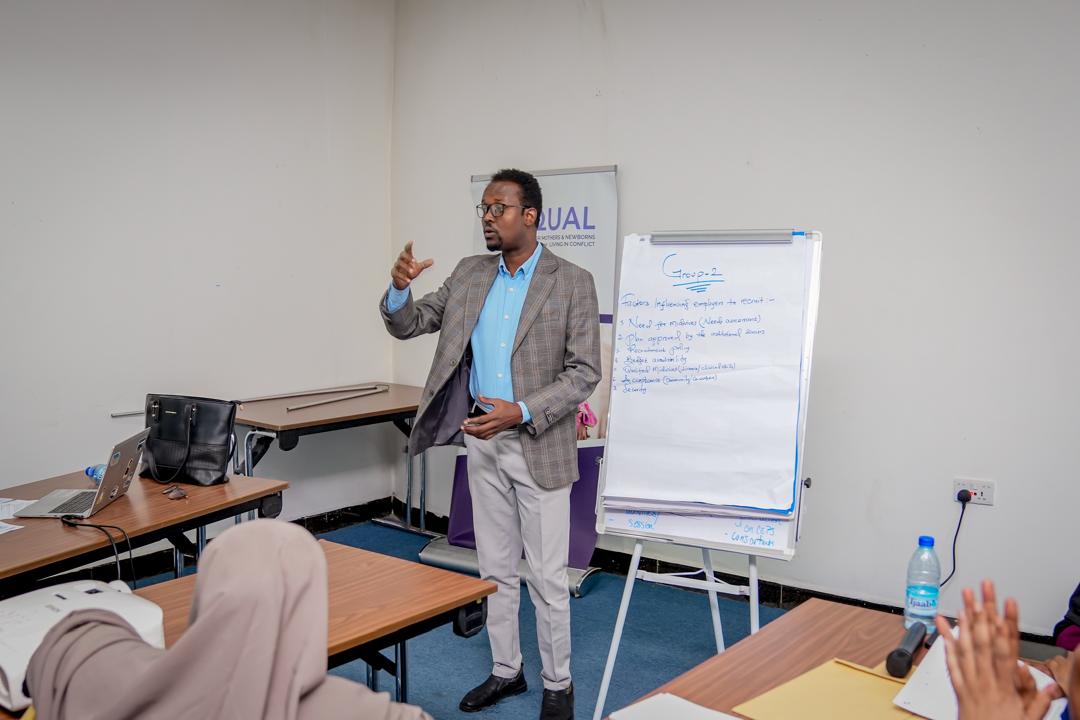
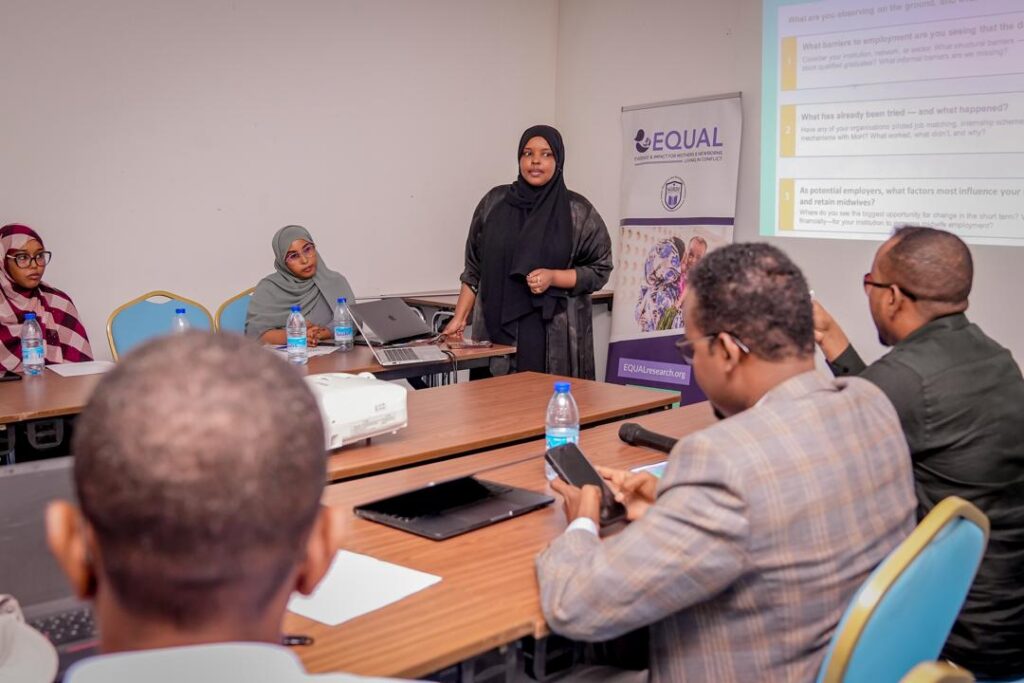
The Somali Research and Development Institute (SORDI), in collaboration with the EQUAL Research Consortium and the Johns Hopkins Center for Humanitarian Health, recently presented findings from a longitudinal cohort study examining the critical transition from midwifery training to employment. This research sheds light on the challenges midwives face as they move from classrooms into the health system, and highlights opportunities for reform.
Bridging the Gap Between Education and Practice
The study revealed a persistent gap between training and workforce absorption. Despite the growing number of trained midwives, many struggle to secure employment. Weak early‑career support systems and structural barriers further limit their ability to thrive in the profession. These challenges not only affect retention but also impact the quality of maternal and newborn care across Somalia.
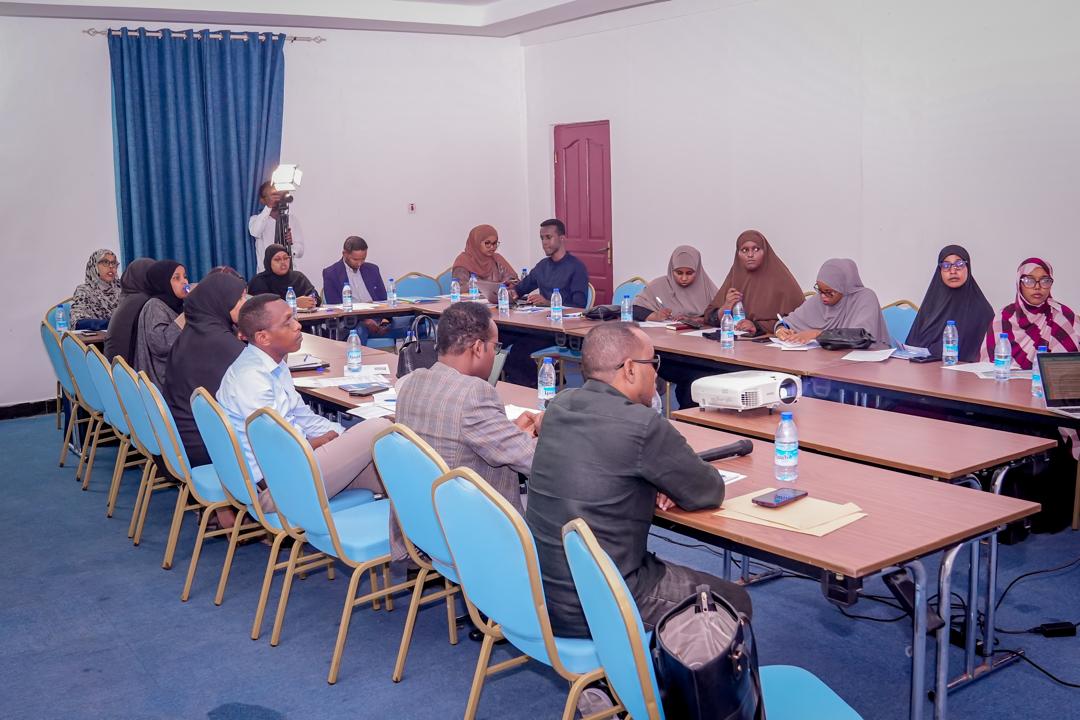
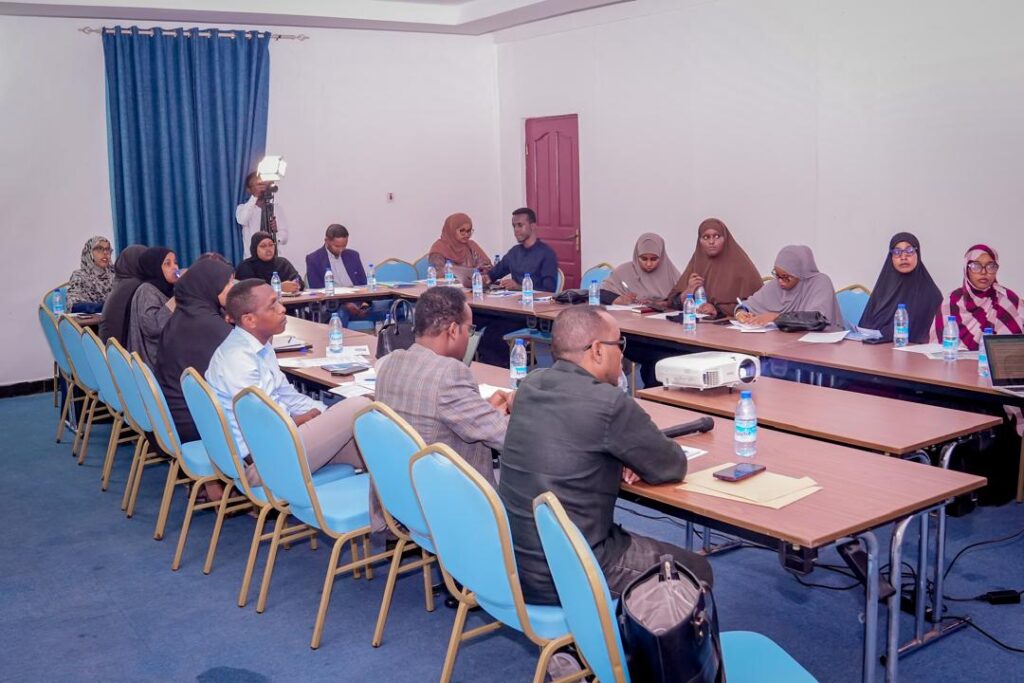
The session convened key stakeholders across the midwifery ecosystem — including representatives from the Federal Ministry of Health, BRA universities, professional associations, and hospitals. Together, they emphasized that strengthening midwifery outcomes requires deliberate, system‑level action. Stakeholders committed to concrete steps to improve workforce absorption, enhance early‑career support, and foster stronger coordination across institutions.
Evidence for Policy and Change
SORDI’s role in generating evidence remains central to driving meaningful change. By documenting the lived experiences of midwives and analyzing systemic barriers, this research provides policymakers and institutions with actionable insights. The findings reinforce the urgent need for coordinated strategies that not only train midwives but also ensure their successful integration into the health system.
Strengthening Somalia’s midwifery workforce is not just a health sector priority — it is a national imperative for improving maternal and newborn outcomes. SORDI remains committed to advancing research that informs policy, supports practitioners, and builds resilient health systems.
Together, with evidence and collaboration, we can ensure that midwives are empowered to deliver the care that mothers and families across Somalia deserve.